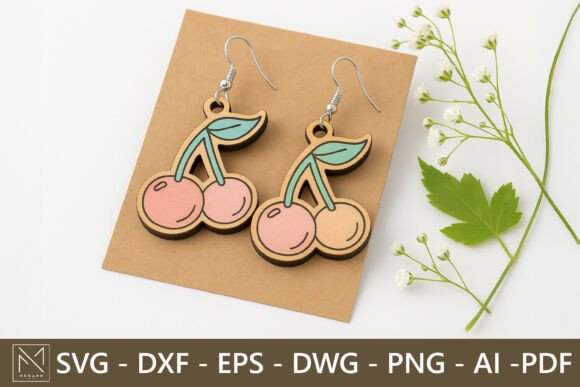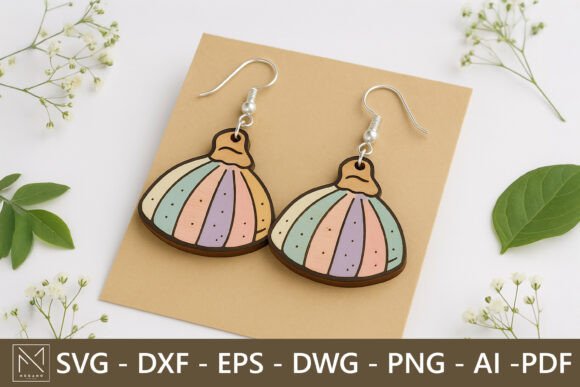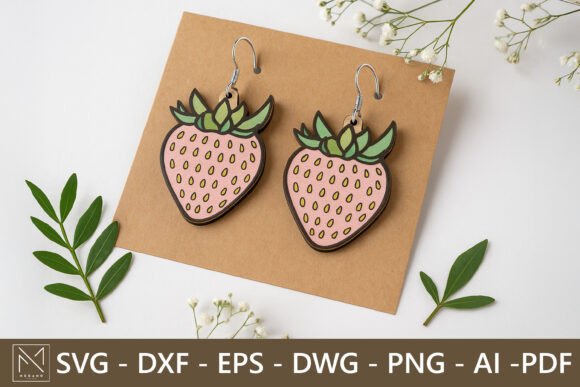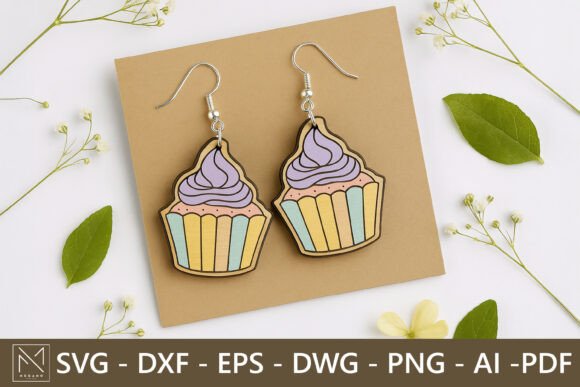
Citrus Slice Earrings SVG: A Guide to Flawless Laser and Vinyl Cutting
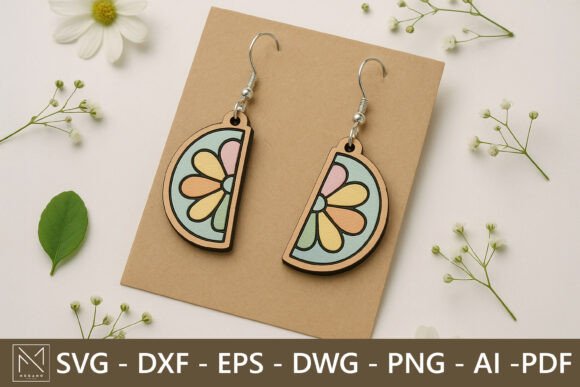
There is a distinct charm in handmade jewelry that captures the essence of summer, and few designs achieve this quite like the vibrant aesthetic of citrus fruit. For makers using digital fabrication tools, the Citrus Slice Earrings SVG has become a staple file in creative libraries. Whether you are running a small Etsy shop or crafting gifts for friends, these designs offer a playful yet professional look. However, simply downloading a file does not guarantee a high-quality final product. Many crafters overlook critical details regarding layering, material selection, and file compatibility, leading to wasted materials and frustration.
Understanding how to properly utilize these digital assets is essential for achieving that coveted three-dimensional effect. This guide addresses common pitfalls and provides practical advice to ensure your next project is a success, helping you avoid costly mistakes before they happen.
The Misconception of "Ready-to-Cut" Files
One of the most frequent errors beginners make is assuming that every downloaded vector file is immediately ready for production without inspection. While the included formats such as SVG, DXF, EPS, DWG, PNG, AI, and PDF cover a wide range of software needs, they are not universal in their default settings. A file optimized for a Cricut may require different adjustments than one intended for a Glowforge or industrial laser cutter.
For instance, clean vector lines are promised, but if you do not check your software’s import settings, you might encounter stray nodes or open paths. These minor digital imperfections can cause a laser cutter to pause unexpectedly or a vinyl cutter to drag the blade unnecessarily. Before sending any job to your machine, always zoom in to 400% on the design. Look for disconnected lines or overlapping shapes that should be merged. Taking two minutes to audit the file can save you twenty minutes of troubleshooting and prevent ruined sheets of expensive acrylic or wood.
Ignoring Material Thickness in Layered Designs
The primary appeal of this specific design is its potential for a beautiful 3D effect. This is achieved by stacking multiple layers of material. A common mistake is treating all materials as if they have the same thickness. If you are cutting from 3mm plywood but your design was originally drafted with 2mm acrylic in mind, the layers will not align correctly, or the earrings will become too bulky and heavy to wear comfortably.
To avoid this, you must understand the physical properties of your chosen medium. When working with wood, remember that it is porous and may require sanding between layers to ensure a smooth fit. Acrylic, on the other hand, has sharp edges that may need flame polishing or careful filing. If you ignore these material realities, the final assembly will look amateurish. A better approach is to create a test cut using scrap material. Measure the actual thickness after cutting, as laser kerf (the width of the cut) can slightly alter dimensions. Adjust your design scale accordingly if the layers feel too tight or too loose during dry fitting.
Overlooking Commercial Use Restrictions
Many creators are eager to monetize their crafts, which is a wonderful goal. The license for this digital download explicitly states that you may use the file for commercial or personal purposes. However, a significant misunderstanding arises regarding what "commercial use" actually entails. Some sellers mistakenly believe they can resell the digital file itself or include it in a bundle of assets. This is strictly prohibited.
Redistribution or resale of the digital file is a violation of intellectual property rights and can lead to account bans on platforms like Etsy or Shopify. Instead, focus on adding value through your craftsmanship. Use the Citrus Slice Earrings SVG to create physical products. You might pair the earrings with branded packaging, offer customization options for colors, or bundle them with matching necklaces. This adds tangible value that justifies the price point and keeps you within legal boundaries. Always read the license agreement thoroughly; it is the contract that protects both you and the designer.
Neglecting Scalability and Proportion
The default size of the design is scalable, which is a powerful feature, but it is also a trap for the unwary. Beginners often resize elements disproportionately, stretching the citrus slices into ovals or distorting the intricate inner segments. This ruins the aesthetic balance and makes the earrings look unnatural. Furthermore, resizing without considering the structural integrity of the material can lead to breakage.
If you shrink the design too much, fine details may not cut cleanly, especially in wood where grain can interfere with small features. If you expand it too much, the earrings may become too heavy for standard ear wires. A practical tip is to maintain the aspect ratio lock in your design software. Additionally, consider the weight distribution. If you are using dense materials like hardwood or thick acrylic, keep the earrings closer to the default size to ensure they remain comfortable for all-day wear. Test the weight by holding the finished piece against your ear before finalizing the assembly.
Choosing the Wrong File Format for Your Machine
With so many formats included—SVG, DXF, EPS, DWG, PNG, AI, PDF—it is easy to grab the first one you see. However, each format serves a specific purpose. Using a PNG for a laser cutter is inefficient because it is a raster image, requiring the machine to trace the edges rather than follow precise vector paths. This results in slower cutting times and potentially jagged edges.
For Cricut and Silhouette users, the SVG is generally the best choice as it preserves layers and cut lines effectively. For Glowforge and other laser cutters, DXF or AI files often provide cleaner interpretation of curves and corners. If you are unsure, consult your machine’s manual or community forums. Using the correct format ensures that the clean vector lines mentioned in the product description are actually utilized, resulting in smoother cuts and less post-processing work.
Final Checks Before Production
Before you commit to cutting your final material, perform a comprehensive review. Check that all layers are separated correctly in your software. Ensure that the color coding matches your intended material layers if you are using multi-material setups. Verify that the ear wire holes are sized appropriately for your findings; sometimes, these holes need to be slightly enlarged depending on the thickness of the jump rings or hooks you are using.
Remember, this is a digital download, so no physical item will be shipped. The responsibility for quality control lies entirely with you. By taking the time to understand the nuances of file preparation, material behavior, and licensing, you transform a simple download into a professional-grade product. The Citrus Slice Earrings SVG is a versatile tool, but like any tool, its effectiveness depends on the skill and attention of the user. Approach each project with patience and precision, and you will create pieces that truly stand out in the market.