Integrating the Broken Heart Man 3D Model into Creative and Conceptual Workflows
In the evolving landscape of digital fabrication, the intersection of emotional storytelling and technical precision has become a critical niche for creators. The Broken Heart Man 3D model represents more than just a downloadable asset; it is a conceptual tool that bridges the gap between abstract feeling and tangible form. For professionals in design, education, marketing, and personal creative projects, understanding how to effectively integrate such a symbolic piece into broader workflows can enhance both the aesthetic impact and the narrative depth of their output.
This article explores the practical application of the Broken Heart Man STL file, examining how it fits into pre-production planning, execution phases, and final presentation strategies. By treating this model as a component of a larger creative process, users can maximize its utility beyond simple decoration.
Understanding the Asset: More Than Just Geometry
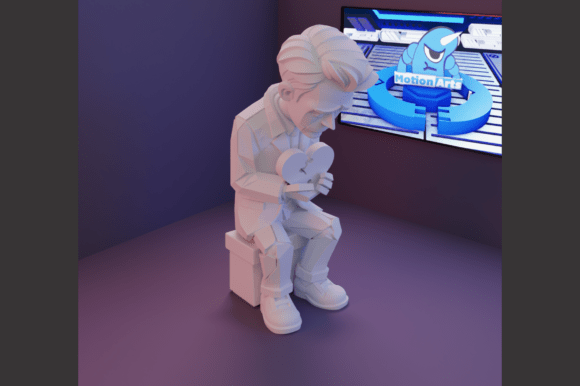
Before importing any file into a slicer or CAD software, it is essential to understand the core value proposition of the asset. The Broken Heart Man is designed with specific intent: to convey pain, intensity, and reflection through geometric abstraction. Unlike generic figurines, this model relies on strong visual metaphors. The "broken heart" element is not merely an accessory but the central focal point that defines the sculpture’s identity.
For designers and artists, recognizing this emotional weight is the first step in effective implementation. When you download the optimized STL file, you are acquiring a piece of visual rhetoric. This distinction matters because it influences how you approach printing parameters, post-processing, and eventual placement. A model with high emotional appeal requires a higher standard of finish and presentation to maintain its integrity. Therefore, the initial assessment phase should focus on the model’s symbolic requirements rather than just its dimensional accuracy.
Pre-Production Planning and Compatibility Checks
Successful 3D printing begins long before the printer heats up. Integrating the Broken Heart Man into your workflow starts with compatibility verification and resource allocation. Since this is an exclusive and detailed design, it demands specific attention during the preparation stage.
- Software Compatibility: Ensure your slicing software can handle the mesh density of the STL file. High-detail models often contain complex geometries that may require mesh repair or simplification if your hardware has limitations.
- Material Selection: Consider the emotional tone of the piece. Matte filaments like PLA or PETG often convey a somber, reflective mood better than glossy materials. However, if the goal is to highlight the "intensity" mentioned in the model’s description, resin printing might offer the surface smoothness needed for dramatic lighting effects.
- Scale and Proportion: Determine the intended display context early. Is this a desk companion for a personal workspace, or a centerpiece for a gallery installation? Scaling the model incorrectly can diminish its impact. Use digital mockups to visualize the Broken Heart Man in its intended environment before committing to print time.
This preparatory phase ensures that the technical execution aligns with the artistic vision. Skipping these checks often leads to wasted material and time, disrupting the overall project timeline.
Execution: Optimizing Print Quality for Emotional Impact
During the printing phase, the focus shifts to quality control and efficiency. The Broken Heart Man is described as having an "exclusive and detailed design," which implies that layer lines and structural weaknesses could detract from its expressive power. Here is how to manage the execution phase effectively:
Layer Height and Resolution
To capture the nuances of the broken heart symbolism, opt for finer layer heights. While this increases print time, it reduces the need for extensive sanding later, preserving the sharp details that convey the model’s intensity. For FDM printers, a 0.1mm to 0.15mm layer height is often a sweet spot between detail and efficiency.
Support Structures
Analyze the overhangs in the STL file. Strategic placement of supports is crucial to avoid scarring visible surfaces. Since the model is meant to be viewed from multiple angles, consider using tree supports or manual support painting in your slicer to minimize contact points on critical aesthetic areas. This step requires a balance between structural integrity and surface quality.
Orientation
Position the model to maximize strength in vulnerable areas, particularly around the "broken" sections. These areas may be structurally weaker due to their thematic design. Orienting the print to align layer lines with stress points can prevent breakage during handling and post-processing.
Post-Processing and Integration into Projects
Once the print is complete, the workflow moves to refinement and integration. This is where the Broken Heart Man transitions from a raw object to a finished piece of art. The process here varies depending on the end use case.
For Collectors and Personal Decoration
If the goal is personal enjoyment or home decor, focus on surface finishing. Light sanding can remove minor imperfections, while priming and painting can enhance the emotional resonance. Using a monochromatic color scheme, such as shades of gray or deep red, can amplify the theme of pain and reflection. The key is consistency; ensure that the finish matches the surrounding decor to create a cohesive visual narrative.
For Educational and Therapeutic Contexts
Educators and therapists can use the Broken Heart Man as a tangible aid in discussions about emotion, loss, and resilience. In this context, the durability of the print is paramount. Reinforce fragile areas with epoxy or clear coat to ensure the model withstands frequent handling. The workflow here involves preparing discussion guides or activity plans that utilize the sculpture as a conversation starter, making the physical object a catalyst for verbal expression.
For Marketing and Brand Storytelling
Marketers and content creators can leverage the visual impact of the Broken Heart Man in campaigns focused on empathy, mental health awareness, or artistic expression. High-quality photography of the model, perhaps with dramatic lighting to highlight its contours, can serve as powerful social media content. The workflow includes staging the shoot, editing images to match brand aesthetics, and crafting copy that connects the visual symbolism to the brand’s message. The model acts as a visual anchor that draws attention and encourages engagement.
Long-Term Use and Maintenance
Integrating any physical asset into a long-term workflow requires consideration of maintenance and preservation. The Broken Heart Man, being a symbolic piece, may be displayed prominently for extended periods. Dust accumulation can dull its details, so establish a regular cleaning routine using soft brushes or compressed air. If the model is painted, avoid harsh chemicals that could degrade the finish.
Furthermore, keep the original STL file backed up in multiple locations. Digital assets are the foundation of this workflow; losing the source file means losing the ability to reproduce or modify the piece in the future. Organize your digital library with clear naming conventions and metadata tags, such as "emotional," "symbolic," and "high-detail," to facilitate quick retrieval for future projects.
Conclusion: Blending Art and Efficiency
The Broken Heart Man 3D model is a versatile asset that offers significant value when integrated thoughtfully into creative and professional workflows. By approaching it with a process-oriented mindset—starting with careful planning, moving through precise execution, and ending with strategic integration—users can unlock its full potential. Whether used for personal reflection, educational purposes, or commercial storytelling, this model demonstrates how digital fabrication can bring abstract emotions into the physical world. The key lies in respecting the model’s symbolic nature while applying rigorous technical standards to ensure a high-quality outcome.