Low Poly Dragon: Integrating Geometric Design into Your 3D Printing Workflow
In the rapidly evolving landscape of digital fabrication, the intersection of aesthetic minimalism and technical efficiency is where many creators find their most sustainable workflows. The Low Poly Dragon represents more than just a decorative figurine; it is a case study in how geometric simplification can streamline production while maintaining high visual impact. For professionals, hobbyists, and small business owners involved in 3D printing, understanding how to leverage low-polygon models is essential for optimizing print times, reducing material waste, and ensuring consistent quality across batches.
This article explores the practical implementation of the Low Poly Dragon STL file within various creative and commercial processes. We will examine how this specific model fits into broader design workflows, from initial preparation to final post-processing, and discuss why its structural characteristics make it an ideal candidate for both rapid prototyping and finished product sales.
The Strategic Value of Low-Poly Aesthetics
Before diving into the technical specifics of printing, it is crucial to understand why the low-poly style has become a staple in modern digital design. Unlike high-resolution scans or organic sculpts that require dense mesh structures, low-poly models rely on flat planes and sharp edges to define form. This approach offers several distinct advantages in a professional workflow:
- Reduced Computational Load: Slicing software processes low-poly meshes faster, allowing for quicker iteration during the setup phase.
- Predictable Print Outcomes: Fewer complex curves mean fewer opportunities for layer shifting or artifacting, leading to higher consistency in mass production.
- Versatile Finishing Options: The faceted surface interacts with light in unique ways, making it suitable for both raw prints and painted finishes without requiring extensive sanding.
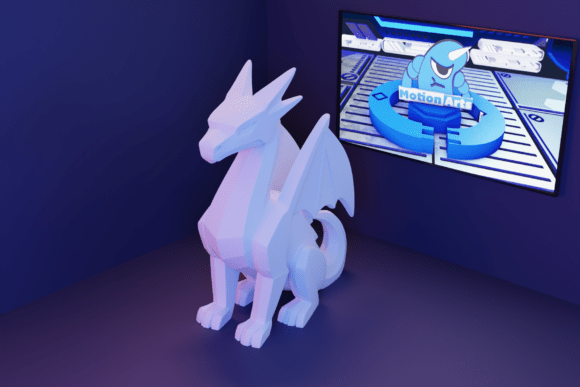
The Low Poly Dragon embodies these principles. Its design captures the mythical presence of a dragon through angular geometry rather than intricate detail. This makes it an excellent asset for educators teaching geometric concepts, marketers looking for distinctive brand merchandise, or entrepreneurs testing new product lines with minimal risk.
Pre-Print Preparation and File Optimization
Although the provided STL file is optimized for hassle-free printing, integrating any new model into your workflow requires a standardized preparation process. Skipping this step often leads to avoidable failures, especially when scaling projects for commercial use.
Mesh Integrity Checks
Even with "ready-to-print" files, best practices dictate running a quick mesh analysis. Use your preferred slicing software or a dedicated repair tool to verify that the model is watertight. For the Low Poly Dragon, pay particular attention to the junctions between the wings and the body. These areas, while structurally sound in the original design, can sometimes present thin walls if the model is scaled down significantly. Ensuring manifold geometry prevents slicing errors that could halt production mid-job.
Orientation and Support Strategy
One of the key benefits of this model is its solid structure, but orientation still plays a critical role in surface quality. For FDM (Fused Deposition Modeling) printers, positioning the dragon flat on its base minimizes the need for support structures. This not only saves material but also reduces post-processing time. If you are using resin (SLA/DLP) printers, consider angling the model slightly to reduce suction forces during the peel cycle, though the geometric nature of the model generally makes it forgiving regarding support placement.
Material Selection and Print Parameters
The versatility of the Low Poly Dragon allows it to be printed in a wide range of materials, each serving different end-use cases. Understanding how material properties interact with the model’s geometric features is vital for achieving the desired outcome.
PLA (Polylactic Acid): Ideal for decorative pieces and prototypes. PLA’s rigidity holds the sharp edges of the low-poly design well, preserving the crisp, contemporary look. It is also the most cost-effective option for high-volume runs.
PETG (Polyethylene Terephthalate Glycol): If the dragon is intended for functional use or environments with slight temperature variations, PETG offers better durability. However, note that PETG can string more than PLA, so retraction settings must be tuned carefully to maintain clean lines between facets.
Resin: For collectors seeking a premium finish, resin printing provides unparalleled surface smoothness. The low-poly style benefits greatly from resin because the flat faces appear perfectly uniform, enhancing the minimalist aesthetic. Ensure adequate curing to prevent warping over time.
Post-Processing as a Value-Add Step
In a commercial or professional context, the print is rarely the final product. Post-processing is where the Low Poly Dragon transforms from a plastic object into a curated piece of art. The model’s design facilitates two primary finishing workflows:
- Monochromatic Elegance: Leaving the print in its raw state, or applying a single matte coat of spray paint, emphasizes the shadow play across the facets. This approach is highly efficient for bulk orders, as it eliminates the labor-intensive process of detailed hand-painting. It appeals to modern interior design trends that favor texture over color complexity.
- Creative Painting: For higher-margin items, hand-painting allows for customization. The large, flat surfaces of the low-poly design act as natural guides for brush strokes, making it easier for artists to apply gradients or metallic effects without worrying about intricate nooks and crannies. This makes the model accessible even to painters with intermediate skill levels.
When planning your workflow, decide early whether your target market prefers ready-to-display monochrome pieces or customizable blanks. This decision will dictate your choice of filament color and post-processing tools.
Integration into Business and Educational Workflows
Beyond individual creation, the Low Poly Dragon serves as a versatile asset in broader organizational contexts. For small business owners and entrepreneurs, it offers a low-barrier entry into the fantasy collectibles market. Because the file is optimized for speed and reliability, it reduces the operational overhead associated with troubleshooting failed prints. This reliability is crucial when fulfilling orders with tight deadlines.
For educators and workshop leaders, the model provides a tangible example of polygonal modeling. It can be used to demonstrate how 3D space is constructed from simple shapes, bridging the gap between digital design theory and physical manufacturing. Students can experiment with scaling, orientation, and infill patterns to see how these variables affect the final structural integrity and weight of the object.
Furthermore, the model’s "geeky gift" appeal makes it a strong candidate for corporate branding or event giveaways. Companies in the tech or gaming sectors can customize the finish with brand colors, creating a memorable promotional item that aligns with modern design sensibilities.
Long-Term Usability and Asset Management
Adopting the Low Poly Dragon STL file into your library is not just a one-time transaction; it is an investment in a reusable asset. To maximize its long-term value, maintain organized records of your successful print profiles. Document the slicer settings, material brands, and post-processing techniques that yielded the best results. This documentation creates a standard operating procedure (SOP) that ensures consistency, whether you are printing one unit for a personal collection or one hundred units for a retail launch.
Additionally, consider how this model complements other assets in your portfolio. The low-poly aesthetic pairs well with other geometric designs, allowing you to create cohesive themed collections. By establishing a niche around minimalist fantasy decor, you can build a recognizable brand identity that resonates with customers seeking modern alternatives to traditional, overly detailed figurines.
Conclusion
The Low Poly Dragon is more than a static 3D model; it is a tool for efficient, creative production. By leveraging its optimized structure and minimalist design, creators can streamline their workflows, reduce waste, and produce high-quality results with greater consistency. Whether you are a seasoned entrepreneur optimizing your manufacturing pipeline, an educator illustrating geometric principles, or a hobbyist exploring the joys of 3D printing, this model offers a balanced blend of form and function. Download the STL file, integrate it into your established processes, and experience how thoughtful design can elevate both your creative output and operational efficiency.