Flower Bouquet Texture Roller STL Guide
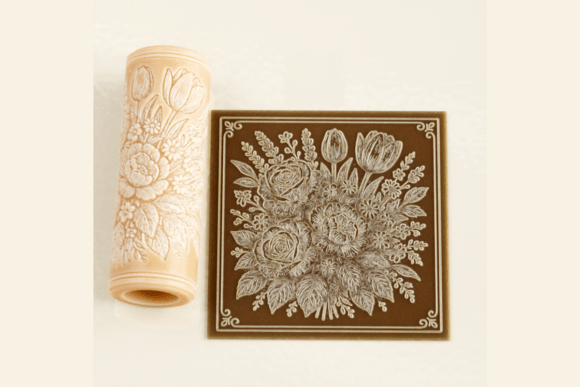
Creating intricate surface patterns on clay, fondant, or soap has traditionally required hours of hand-carving or the purchase of expensive, mass-produced silicone molds. For artisans and hobbyists alike, the barrier to entry for high-quality texturing tools is often cost and accessibility. The Flower Bouquet Texture Roller STL changes this dynamic by offering a digital solution that puts professional-grade design capabilities directly into your hands. This specific model, identified as Model no. 3 in the botanical series, features a sophisticated arrangement of roses, tulips, and detailed leafy accents. It is not merely a file; it is a gateway to producing consistent, high-resolution textures across various mediums including polymer clay, ceramics, and edible crafts.
Understanding the value of this tool requires looking beyond the digital file itself. When you download this STL, you are acquiring a versatile asset that can be scaled, modified, and printed repeatedly. Whether you are a small business owner looking to brand your ceramic mugs with a unique signature pattern or a baker aiming to elevate cake decorations, this roller provides the precision necessary to stand out in a crowded market. The design is optimized for clean 3D printing, ensuring that the delicate petals and veins of the leaves translate sharply from the digital model to the physical object.
Enhancing Craft Efficiency and Consistency
One of the most significant challenges in handmade goods is maintaining consistency. If you are producing a set of coasters or a batch of artisan soaps, slight variations in texture can make the final collection look disjointed. Hand-stamping each item introduces human error and fatigue. By utilizing the Floral Mix Texture Roller STL, you introduce a mechanical level of precision to your workflow. Rolling the tool across a slab of polymer clay or fondant ensures that every square inch receives the same density of floral detail. This uniformity is crucial for professionals who need to deliver reliable quality to their clients.
Furthermore, this tool saves considerable time. Carving individual flowers into a mold or stamping them one by one is labor-intensive. A roller covers large surface areas quickly. For example, if you are creating a decorative tile for a home decor project, you can achieve full coverage in seconds rather than minutes. This efficiency allows creators to take on larger projects or increase their production volume without sacrificing the artistic integrity of their work. The 3-inch (7.5 cm) standard roller format is compact enough for detailed work on jewelry components yet wide enough to handle medium-sized slabs efficiently.
Versatility Across Multiple Mediums
The true strength of this digital asset lies in its material agnosticism. While many texturing tools are designed specifically for either food or clay, the Flower Bouquet Texture Roller STL is engineered to perform well across a spectrum of materials. This versatility makes it an excellent investment for multi-disciplinary creators.
- Polymer Clay: The sharp impressions are ideal for jewelry makers creating pendants, earrings, or beads. The fine details of the tulip petals and rose centers add depth and visual interest to small-scale items.
- Fondant and Baking: For cake decorators, this roller can create elegant backgrounds for wedding cakes or birthday treats. Since the file is digital, you can print multiple rollers using food-safe filaments or resins, dedicating specific tools solely to edible applications to maintain hygiene standards.
- Ceramics and Pottery: Potters can use this roller on leather-hard clay to imprint designs onto mugs, vases, and plates. The botanical theme complements organic, earth-toned glazes beautifully.
- Artisan Soap: Cold process soap makers can texture the top of their bars before they fully harden, adding a professional finish that appeals to customers at craft fairs and online marketplaces.
It is important to note that while the design is versatile, the material you choose for 3D printing the roller will impact its longevity and performance. For heavy-duty clay work, a durable resin or high-quality PLA may suffice. For food applications, ensure you are using certified food-safe materials and proper sealing techniques to prevent bacterial growth in the microscopic layers of the print.
Optimized for High-Resolution 3D Printing
Not all 3D models are created equal. Many free or low-quality STL files suffer from poor geometry, resulting in prints that require extensive sanding or fail to capture fine details. The Botanical Clay Tool for Polymer Crafts is explicitly optimized for 3D printing. The model features clean mesh topology, which means it slices efficiently in most software programs without generating excessive support structures. In fact, no supports are required for printing, which simplifies the post-processing stage significantly.
To achieve the best results, recommended print settings include a layer height of 0.1–0.15 mm. This resolution is critical for capturing the subtle nuances of the leafy accents and the curvature of the rose petals. Printing at a lower resolution may result in visible layer lines that interfere with the clarity of the impression. The file is compatible with FDM, SLA, DLP, and resin printers, giving users the flexibility to choose the technology that best fits their workshop. Resin printers, in particular, will yield the sharpest details, making them ideal for jewelry-making applications where precision is paramount.
Customization and Scalability
A static physical tool limits you to one size. However, because you are working with a digital file, you have the freedom to scale the Flower Bouquet Texture Roller STL to fit your specific project needs. If you are working on a large ceramic platter, you can increase the size of the roller in your slicer software. Conversely, for miniature clay charms, you can reduce the scale. This adaptability ensures that the tool remains useful as your projects evolve. You are not locked into a single dimension, which maximizes the return on investment for the digital download.
Additionally, the high-resolution nature of the model means that scaling up does not necessarily result in pixelation or loss of detail, provided you adjust your print settings accordingly. This flexibility is particularly beneficial for educators and workshop leaders who may need to demonstrate texturing techniques on different scales to accommodate various skill levels and project types.
Practical Considerations for Users
While the benefits are substantial, it is essential to approach this tool with realistic expectations. As a digital download, no physical item will be shipped. You must have access to a 3D printer and the basic knowledge of how to slice and print STL files. If you are new to 3D printing, there may be a learning curve involved in dialing in the correct settings for your specific machine. However, the "no supports required" feature mitigates much of the complexity typically associated with printing intricate objects.
Users should also consider the hardness of the material they are texturing. Very soft clays or overly warm fondant may stick to the roller. Dusting the roller with cornstarch for fondant or using a release agent for clay can help ensure clean release and preserve the integrity of the impression. Regular cleaning of the printed roller is also necessary to prevent residue buildup, which can obscure the fine details over time.
In conclusion, the Flower Bouquet Texture Roller STL represents a convergence of traditional craftsmanship and modern technology. It empowers creators to produce high-quality, consistent, and visually stunning textures with greater efficiency and flexibility. By integrating this tool into your workflow, you can enhance the aesthetic appeal of your products, streamline your production process, and explore new creative possibilities across a wide range of materials. Whether you are a seasoned potter or a novice baker, this digital asset offers a practical pathway to elevating your craft.