Mastering 3D Vector UI and UX Design
In the rapidly evolving landscape of digital interfaces, standing out requires more than just functional layouts; it demands a visual language that captivates and guides users effortlessly. This is where 3D Vector Style UI or UX Design emerges as a transformative approach, blending depth and dimension with the scalability and precision of vector graphics. By integrating these modern aesthetics into your creative workflow, you can elevate brand identity and create immersive experiences that resonate with contemporary audiences.
The Power of Dimension in Digital Interfaces
Traditional flat design has served the web well, but user expectations are shifting toward richer, more tactile interactions. Incorporating three-dimensional elements allows designers to establish a clearer visual hierarchy, making interactive components feel more intuitive and engaging. When applied correctly, this style enhances usability by providing subtle cues about depth, layering, and interaction states without compromising load times or performance.
For creators exploring new resources, understanding how to balance realism with abstraction is key. The goal is not to overwhelm the user with complex renders but to use depth strategically to highlight primary actions and content. This approach strengthens brand identity by offering a distinctive look that differentiates your product from competitors relying on standard two-dimensional assets.
Specialized Assets for Niche Applications
Beyond general interface elements, specialized templates offer targeted solutions for specific industries. Consider the Addiction types mobile app vector template set, which addresses sensitive topics like spiritual and physical obsession with empathy and clarity. These assets are crucial for developers building support tools, as they provide pre-designed screens that maintain a professional yet compassionate tone. Using high-quality vectors ensures that these delicate subjects are presented with the appropriate visual weight and respect.
Similarly, educational or onboarding flows benefit immensely from structured visual narratives. A Walkthrough website steps with flat characters can simplify complex processes, guiding users through sign-up procedures or feature explanations with friendly, approachable imagery. Flat characters remain popular because they are versatile, easy to customize, and universally understood, making them ideal for global audiences.
Enhancing the Smartphone Experience
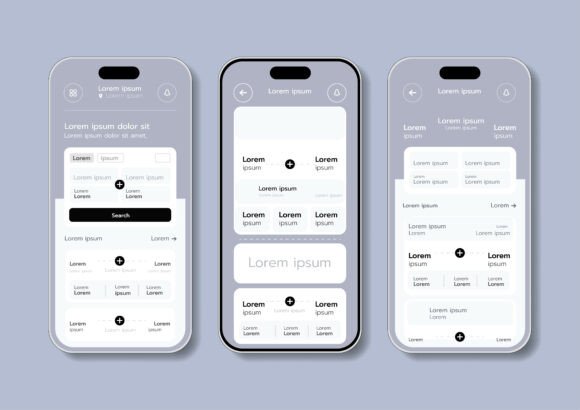
The concept of a UX, UI, GUI smartphone interface revolves around creating seamless interactions on small screens. Every pixel counts, and the integration of 3D vector elements can make buttons feel pressable and cards feel layered. This tactile quality improves the overall user experience by reducing cognitive load; users instantly recognize what is clickable and what is static. For designers, this means focusing on consistency across all screen sizes and ensuring that visual elements scale perfectly without losing quality.
Versatile File Formats for Every Workflow
To maximize the utility of these design assets, accessibility in various file formats is essential. Professional packages typically include:
- EPS files for infinite scalability in print and large-format branding.
- JPEG images for quick previews and web-ready implementations.
This flexibility supports a wide range of creative projects, from mobile app screen pages to brochure infographic templates. Whether you are designing icons for a new startup or crafting detailed packaging design for a physical product, having access to editable vector sources allows for complete customization. You can adjust color palettes to match existing brand systems, modify typography to align with editorial standards, and rearrange compositions to suit specific marketing goals.
Best Practices for Implementation
When incorporating these assets into your design workflow, keep the following principles in mind:
- Maintain Visual Consistency: Ensure that 3D elements share the same lighting direction and shadow styles to create a cohesive look.
- Prioritize Readability: Never let decorative elements obscure critical text or calls to action.
- Optimize for Performance: While vectors are lightweight, complex effects should be used judiciously to maintain fast load times on mobile devices.
- Align with Brand Identity: Customize colors and shapes to reflect the unique personality of the brand, avoiding generic templates that lack character.
By thoughtfully selecting and adapting these creative assets, designers can produce work that is not only visually stunning but also highly functional. From social media graphics to comprehensive web design projects, the right combination of typography, color, and dimensional depth can transform a simple interface into a memorable brand experience. Embrace these tools to enhance your digital marketing efforts and deliver professional presentations that truly engage your audience.