Mastering Visual Presentation with a High-Resolution Flashcards Mockup
In the competitive landscape of digital design and educational content creation, the gap between a good idea and a successful product often lies in presentation. Whether you are an independent educator launching a new study aid, a graphic designer pitching a branding concept, or a marketer preparing social media assets, the way you display your work dictates how it is perceived. This is where a professional Flashcards Mockup becomes an indispensable tool in your workflow. It is not merely a decorative element; it is a strategic asset that bridges the gap between raw design files and client-ready deliverables.
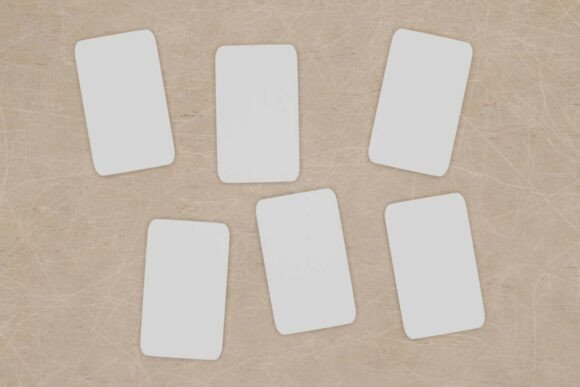
The image in question showcases a sophisticated 3D render of flashcards, designed specifically to help artists, designers, and marketers showcase their designs with clarity and professionalism. By utilizing a high-quality mockup, you eliminate the need for expensive photo shoots, complex lighting setups, or time-consuming manual photography. Instead, you gain access to a consistent, polished visual standard that can be deployed across various platforms, from portfolio websites to e-commerce listings.
Integrating Mockups into Your Design Workflow
Understanding where a Flashcards Mockup fits into your broader process is key to maximizing its value. Many creators make the mistake of treating mockups as an afterthought, something to slap on at the very end of a project. However, integrating this tool earlier in the pipeline can significantly enhance efficiency and decision-making.
During the Concept Phase: Before finalizing typography or color palettes, placing your rough drafts into a realistic 3D environment allows you to judge scale and readability. A design that looks balanced on a flat 2D screen may appear cluttered when viewed as a physical object in a 3D space. Using the mockup early helps identify potential legibility issues or spacing problems that are otherwise invisible in vector software.
During Client Presentations: When presenting to stakeholders, context is everything. A flat JPEG of a card design lacks emotional resonance. A 3D render, however, provides tangible context. It helps clients visualize the final product in their hands, reducing ambiguity and accelerating approval times. The realism offered by a high-resolution render builds trust, signaling that you pay attention to detail and understand the final production requirements.
For Marketing and Sales: For entrepreneurs and small business owners selling educational materials or games, the mockup serves as your primary sales asset. On platforms like Etsy, Amazon, or personal Shopify stores, customers cannot physically touch the product. Your images must do the heavy lifting. A crisp, well-lit 3D render conveys quality and professionalism, directly influencing conversion rates.
Technical Specifications and Quality Control
The utility of any mockup is dictated by its technical specifications. Low-resolution assets can pixelate when scaled, ruining the professional aesthetic you aim to achieve. The mockup described here offers a robust foundation for high-end output, featuring a resolution of 10000 x 8000 pixels at 300 DPI. These numbers are not arbitrary; they represent industry-standard quality for both digital and print applications.
The inclusion of both JPEG and PNG formats ensures compatibility with a wide range of software ecosystems. PNG files are particularly valuable for web use because they support transparency, allowing you to layer the mockup over different backgrounds without unsightly white boxes. JPEGs, on the other hand, offer smaller file sizes for quick sharing via email or instant messaging during collaborative reviews.
When implementing this asset, always start with the highest resolution master file. Even if your final output is for social media (which typically requires much lower resolutions), working from a 10000-pixel source ensures that you can crop, zoom, and adjust without losing sharpness. This approach future-proofs your work, allowing you to repurpose the same visual assets for large-format prints or high-density displays later down the line.
Practical Implementation Tips
To get the most out of this 3D render, consider the following practical steps for integration into your daily routine:
- Smart Object Utilization: If you are using Photoshop or similar layer-based editors, ensure you are placing your designs into smart objects. This non-destructive editing method allows you to update the card face instantly without altering the perspective or lighting of the 3D render. It streamlines the iteration process, enabling you to test multiple design variations in minutes rather than hours.
- Lighting and Shadow Consistency: One of the advantages of a pre-rendered 3D mockup is the consistent lighting. However, ensure your design elements respect the light source. If the mockup has shadows falling from the top left, avoid placing critical text or logos in those shadowed areas unless you adjust the opacity or blending modes to maintain readability.
- Color Calibration: Screens vary wildly in color accuracy. Since this mockup is a 3D render, the colors are digitally generated. Always cross-reference your design colors against physical proofs if printing is involved. Use the mockup for layout and composition validation, but rely on calibrated monitors and print proofs for final color approval.
Enhancing Brand Consistency Across Platforms
For marketers and brand managers, consistency is the cornerstone of recognition. Using a standardized Flashcards Mockup across all your communication channels creates a cohesive visual identity. Whether you are posting on Instagram, LinkedIn, or your company blog, the uniform look of the 3D cards reinforces brand professionalism.
This consistency extends to internal workflows as well. When multiple designers are working on a series of educational cards, providing them with a single, high-quality mockup template ensures that all final presentations look like they belong to the same family. It reduces the cognitive load on the viewer, who no longer has to adjust to different photographic styles or lighting conditions between slides or posts.
Furthermore, this tool interacts seamlessly with other digital assets. You can combine the flashcard mockup with background textures, brand patterns, or complementary product shots to create rich, layered compositions. For instance, placing the flashcards on a wooden desk texture alongside a pen and a notebook can evoke a studious, productive atmosphere, appealing directly to your target audience of learners and educators.
Long-Term Value and Efficiency
Investing time in learning how to use a high-quality mockup efficiently pays dividends over the long term. Once you have established a workflow for importing designs, adjusting perspectives, and exporting final images, the process becomes rapid and repeatable. This efficiency frees up creative energy for higher-level tasks, such as strategy, copywriting, and user experience design.
Moreover, the versatility of a 10000 x 8000 pixel asset means it will remain relevant even as display technologies evolve. As screens become sharper and higher density, having source files that exceed current standard requirements ensures your portfolio remains crisp and competitive. It is a small investment in infrastructure that supports scalability.
In conclusion, the Flashcards Mockup is more than just a pretty picture. It is a functional tool that enhances communication, accelerates approval processes, and elevates the perceived value of your work. By understanding its technical capabilities and integrating it thoughtfully into your planning and execution phases, you transform a simple design task into a polished, professional presentation. Whether you are a freelancer looking to impress a new client or a business owner aiming to boost online sales, mastering this tool is a practical step toward greater creative success.