Transforming Visual Communication: The Power of 3D Geometric Backgrounds in Modern Design
In the rapidly evolving landscape of digital communication, the first few seconds of interaction are critical. Whether you are delivering a high-stakes business presentation, designing a backdrop for a creative event, or crafting social media content, the visual foundation you choose sets the tone for your entire message. This is where geometric backgrounds with 3D cubes have emerged as a dominant design trend. These assets are not merely decorative; they are strategic tools that convey structure, innovation, and modernity.
For designers, marketers, and business professionals, understanding how to leverage these abstract elements can significantly enhance visual impact. By utilizing resources that offer high-resolution JPEGs, EPS formats, and 100% vector files, creators ensure their work remains crisp, scalable, and professional across all mediums. This article explores the significance of these designs, their practical applications, and why they are essential for contemporary visual storytelling.
The Psychology Behind Geometric Precision
Why do 3D cubes and geometric shapes resonate so strongly with audiences? The answer lies in human psychology and perception. Geometric shapes, particularly cubes and rectangular prisms, represent stability, balance, and order. When rendered in three dimensions, they add depth and perspective, creating a sense of space that flat designs often lack.
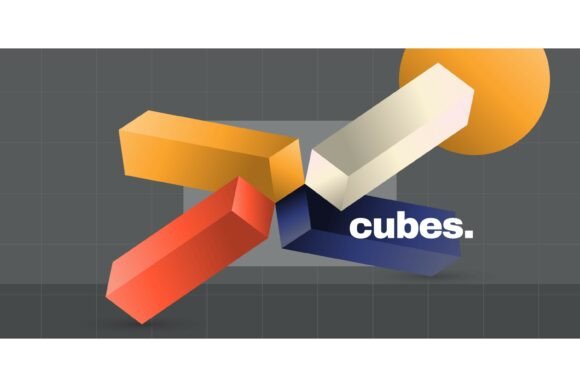
An abstract geometric background with 3D colorful cubes serves a dual purpose. First, it captures attention through vibrant color contrasts and dynamic angles. Second, it suggests complexity and multifaceted thinking without overwhelming the viewer with specific imagery. Unlike photographic backgrounds, which can distract with unnecessary details, abstract geometry provides a clean, structured canvas that allows text and primary graphics to stand out.
Consider the difference between a plain white slide and one featuring a subtle, isometric grid of floating cubes. The latter immediately signals professionalism and technological sophistication. It tells the audience that the content is organized, forward-thinking, and meticulously planned. This subtle cue builds trust before a single word is spoken.
Versatility in Business and Creative Applications
The utility of 3D geometric designs extends far beyond simple aesthetics. Their versatility makes them suitable for a wide range of industries and use cases. Here is how these backgrounds fit into various professional contexts:
- Corporate Presentations: In boardrooms and conferences, clarity is king. A background featuring muted tones of blue or gray 3D cubes provides a professional atmosphere that supports data visualization and key talking points without competing for attention.
- Tech and Startup Pitches: Startups often need to convey innovation. Bright, colorful 3D cubes can symbolize building blocks of technology, connectivity, and future growth. The dynamic nature of 3D rendering aligns perfectly with the fast-paced tech industry.
- Creative Event Backdrops: For product launches, art exhibitions, or music festivals, bold geometric patterns create an immersive environment. Large-scale prints of these designs serve as Instagram-worthy photo opportunities, extending brand reach through social sharing.
- Educational Materials: In e-learning modules, geometric backgrounds help segment information. They can be used to frame quotes, highlight statistics, or separate chapters, making complex educational content more digestible.
Bridging the Gap Between Art and Functionality
A common misconception is that abstract art lacks functional value in business settings. However, when executed correctly, abstract geometric designs bridge the gap between artistic expression and functional utility. They provide visual interest while maintaining enough negative space for text overlay. This balance is crucial for effective communication.
For instance, a creative event backdrop needs to be visually striking from a distance but not so chaotic that it distracts from the speakers or performers. A well-designed 3D cube pattern offers rhythm and flow, guiding the eye naturally across the space. Similarly, in digital marketing, these backgrounds can be used for email headers, website banners, and ad creatives, ensuring brand consistency across platforms.
Technical Excellence: Why File Format Matters
When sourcing design assets, the quality and format of the file are just as important as the visual appeal. Professional designers prioritize flexibility and scalability. This is why obtaining a package that includes High Resolution JPEG, EPS Format, and 100% Vector File options is non-negotiable for serious projects.
- High Resolution JPEG: Ideal for quick usage in digital presentations, social media posts, or web banners. JPEGs are universally compatible and easy to share, though they are raster-based and cannot be scaled up indefinitely without losing quality.
- EPS Format: Encapsulated PostScript (EPS) is a standard vector format supported by most professional design software, including Adobe Illustrator and CorelDRAW. It allows for easy editing of colors, shapes, and layers, giving designers full control over the final output.
- 100% Vector File: This is the gold standard for print and large-format displays. Vector graphics use mathematical equations to define shapes, meaning they can be scaled to any size—from a business card to a billboard—without pixelation or loss of clarity. For event backdrops and large signage, this ensures crisp lines and professional quality.
By having access to all three formats, users can adapt the same design for multiple purposes. You might use the JPEG for a quick internal memo, edit the EPS to match your brand colors for a client proposal, and scale the vector file for a large conference banner. This versatility saves time and money, eliminating the need to commission custom designs for every single application.
Best Practices for Implementation
To maximize the effectiveness of 3D geometric backgrounds, consider the following best practices:
Maintain Contrast: Ensure there is sufficient contrast between the background and the foreground text. If the 3D cubes are colorful and busy, use solid-colored text boxes or overlays to improve readability. Light text on dark backgrounds or vice versa works best.
Align with Brand Identity: While pre-made templates are convenient, customization is key. Adjust the colors of the 3D cubes to align with your brand palette. If your brand uses specific shades of green and blue, modify the vector file to reflect those exact hues. This reinforces brand recognition and creates a cohesive visual identity.
Use Depth Strategically: Don’t let the 3D effect overpower the message. Use the depth of field to guide the viewer’s focus. Elements that appear closer can draw attention to key areas, while receding elements can fade into the background, creating a sense of hierarchy.
Conclusion: Elevating Your Visual Narrative
In conclusion, geometric backgrounds with 3D cubes are more than just a trendy aesthetic; they are powerful tools for enhancing communication. Whether you are aiming to impress investors, engage students, or captivate event attendees, these designs offer a blend of structure, creativity, and professionalism. By understanding the psychological impact of geometry and leveraging the technical benefits of vector files and high-resolution formats, you can create visuals that are not only beautiful but also highly functional.
As digital and physical spaces continue to merge, the demand for high-quality, adaptable design assets will only grow. Investing in versatile resources like abstract geometric backgrounds with 3D colorful cubes ensures that you are prepared to meet these demands with confidence and style. Remember, great design is invisible—it simply makes the message clearer, more engaging, and more memorable. Start integrating these elements into your workflow today, and watch your visual communication transform.
For those interested in exploring more about design trends and resource optimization, consider visiting our design resource library or reading our guide on effective presentation techniques. Understanding the tools at your disposal is the first step toward mastering the art of visual storytelling.