Mastering the Rounded Retro 3D Text Effect
Visual trends in graphic design tend to move in cycles, but few have made as impactful a return as the Rounded Retro 3D Text Effect. This style is not merely a nostalgic nod to the seventies or eighties; it is a sophisticated typographic approach that combines softness with depth. By utilizing pillowy, inflated letterforms and bold color shifts, designers can create visuals that feel both familiar and refreshingly modern. For professionals across marketing, education, and digital content creation, understanding how to leverage this aesthetic can significantly enhance brand recognition and audience engagement.
The Anatomy of Soft Typography
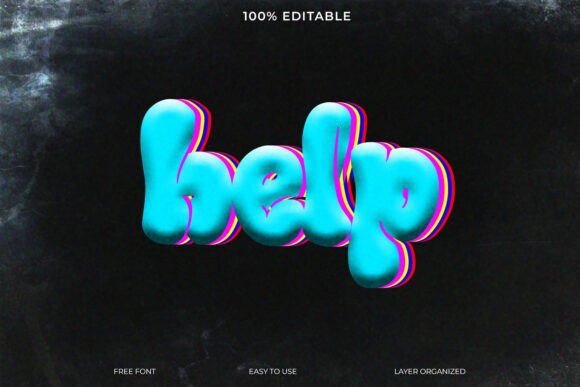
To effectively implement this style, one must first understand its core components. Unlike sharp, geometric sans-serifs or rigid serif fonts, rounded retro typography relies on curvature. The letters appear inflated, resembling balloons or soft candy. This "pillowy" quality invites touch, creating a psychological sense of approachability and warmth.
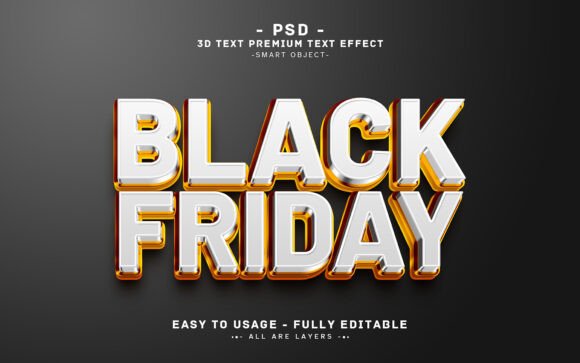
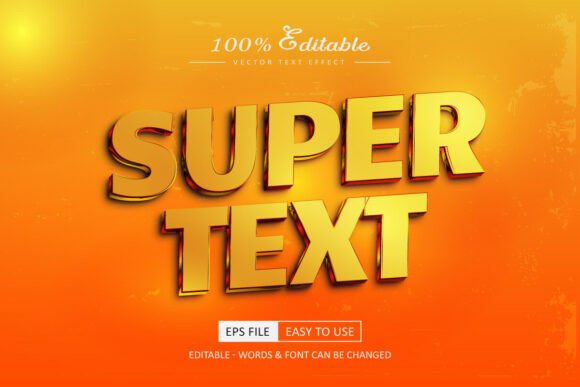
The three-dimensional aspect is achieved through careful shading and extrusion. Rather than using harsh, black drop shadows, this effect typically employs colored shadows that complement or contrast with the main text color. This technique, often referred to as chromatic aberration or dual-tone shading, adds vibrancy without sacrificing readability. The result is a unique and vibrant design that pops off the screen or page, demanding attention while maintaining a friendly demeanor.
Why This Aesthetic Resonates Today
In an increasingly digital and often sterile online environment, users crave authenticity and human connection. The Rounded Retro 3D Text Effect bridges this gap by offering a tactile visual experience. It suggests craftsmanship and playfulness, qualities that are highly valued in contemporary branding.
- Approachability: Soft edges reduce visual aggression, making brands seem more accessible and customer-friendly.
- Nostalgia with a Twist: It taps into positive memories of past decades but updates them with high-definition clarity and modern color palettes.
- Visual Hierarchy: The bold nature of 3D text naturally draws the eye, making it ideal for headlines and calls to action.
Practical Applications Across Industries
The versatility of this typographic style allows it to thrive in various contexts. Here is how different professionals can integrate it into their workflows.
Social Media and Digital Marketing
For social media managers and content creators, stopping the scroll is paramount. Posts featuring Rounded Retro 3D Text Effect graphics stand out against the flat, minimalist designs that have dominated feeds for years. Whether used for Instagram story headers, YouTube thumbnails, or TikTok overlays, this style adds a layer of production value that signals effort and creativity. It is particularly effective for announcing sales, sharing quotes, or highlighting key tips, as the boldness ensures legibility even on small mobile screens.
Branding and Packaging
Entrepreneurs and business owners looking to launch products in the food, beverage, or lifestyle sectors will find this style invaluable. Think of craft soda labels, artisanal snack packaging, or boutique cosmetic brands. The pillowy text conveys a sense of indulgence and fun. When applied to physical packaging, the 3D effect can be enhanced with spot UV coating or embossing, creating a multi-sensory experience that reinforces brand quality.
Educational Materials and Presentations
Educators and corporate trainers can use this effect to make dry information more engaging. By applying rounded 3D styling to key terms, chapter titles, or important data points in slide decks, you break the monotony of standard bullet points. It helps in cognitive retention by visually isolating critical information. For children’s educational apps or e-learning platforms, the playful nature of the font keeps younger audiences interested without appearing childish.
Implementing the Design Effectively
While the Rounded Retro 3D Text Effect is powerful, it requires restraint to remain effective. Overuse can lead to visual clutter, defeating the purpose of clear communication. Here are some practical considerations for implementation.
- Color Selection: Choose colors that offer sufficient contrast. A pastel pink text with a deep purple shadow works well, whereas low-contrast combinations may become illegible. Ensure your palette aligns with existing brand guidelines.
- Font Choice: Not all rounded fonts work for 3D extrusion. Select typefaces with uniform stroke widths and generous spacing. Avoid overly complex scripts, as the 3D effect can muddy the details.
- Background Compatibility: This style shines best against clean, solid backgrounds or subtle gradients. Busy photographic backgrounds can compete with the detailed shading of the text, reducing impact.
- Consistency: If you use this effect for headlines, maintain consistent lighting angles and shadow depths throughout your project. Inconsistent 3D perspectives can look amateurish and disorienting.
Enhancing User Experience and Engagement
Beyond aesthetics, this design choice impacts user experience (UX). In web design, using Rounded Retro 3D Text Effect for button labels or interactive elements can suggest clickability. The perceived depth mimics physical buttons, providing a subtle cue to the user that an action can be taken. This micro-interaction improves usability by making interfaces more intuitive.
Furthermore, from a branding perspective, consistency in using such a distinct style helps in building a memorable visual identity. When customers repeatedly encounter this specific look across your website, social media, and packaging, it reinforces brand recall. It signals that your brand is confident, creative, and attuned to current design sensibilities.
Tools and Techniques for Creation
Creating this effect does not always require advanced 3D modeling software. Many graphic designers achieve excellent results using layer styles in programs like Adobe Photoshop or Illustrator. By stacking multiple layers with slight offsets and varying opacities, you can simulate depth. Alternatively, newer web-based design tools offer preset 3D text generators that allow for quick customization of roundness, extrusion depth, and lighting.
For those seeking a more authentic hand-drawn feel, starting with a sketch and digitizing it can add a unique human touch. However, for most professional applications, vector-based tools ensure scalability and crisp edges, which are crucial for both digital displays and large-format printing.
Final Thoughts on Visual Impact
The Rounded Retro 3D Text Effect is more than a passing trend; it is a versatile design tool that enhances communication through warmth and depth. By understanding its characteristics and applying it strategically, professionals can create compelling visuals that resonate with audiences. Whether you are designing a poster, updating a social media strategy, or refining a brand identity, this style offers a pathway to standing out in a crowded visual landscape. Embrace the softness, experiment with bold colors, and let your typography do the talking.